
06May
The Ongoing Debate: OEM or Aftermarket?
The choice between original equipment manufacturer (OEM) and aftermarket motorcycle parts remains a critical decision for riders balancing cost, performance, and longevity. Recent maintenance reports from various motorcycle owners provide valuable real-world insights into this perennial debate.
Cost Comparisons in Routine Maintenance
A Triumph Tiger 900 GT owner's detailed 4th service report reveals significant cost differences when opting for OEM parts through authorized dealerships versus third-party alternatives. Meanwhile, Top Speed's analysis of a decade-old Ninja 650 demonstrates how aftermarket solutions can dramatically reduce long-term ownership costs while maintaining reliability.
Performance Modifications and Upgrades
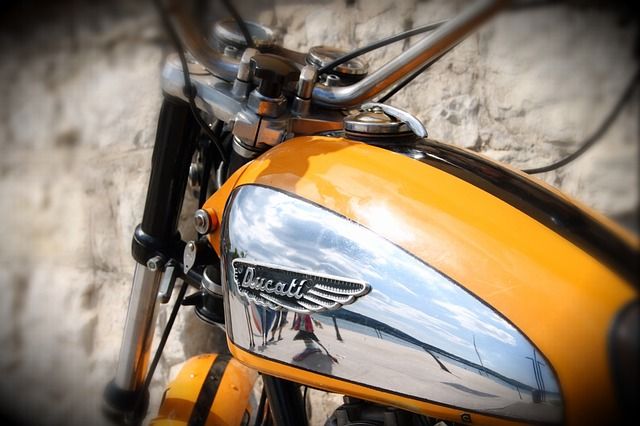
Adventure Motorcycle Magazine's Husqvarna FE350 project showcases how aftermarket parts enable performance customization beyond factory specifications. The two-part series highlights specialized components that would be unavailable through OEM channels. Conversely, Motorcyclist's long-term Ninja 1000 sprocket swap experiment compares OEM and aftermarket durability in high-stress applications.
Long-Term Reliability Assessments
The Suzuki GSX-S750 long-term review provides crucial data on part longevity, with the owner meticulously documenting replacement intervals for both OEM and aftermarket components. This real-world testing reveals surprising results about which parts justify their premium pricing versus more affordable alternatives.
Key Considerations for Riders
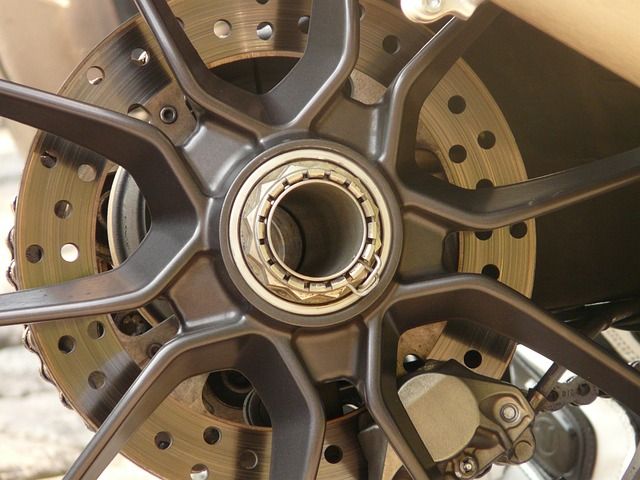
- Safety-critical components (brakes, bearings) often warrant OEM quality despite higher costs
- Performance upgrades typically require aftermarket solutions for specialized applications
- Aging motorcycles may benefit from cost-effective aftermarket alternatives as OEM parts become scarce
- Warranty implications vary by manufacturer regarding aftermarket part usage
Industry experts suggest a hybrid approach: OEM for essential mechanical components paired with aftermarket for customization and non-critical replacements. This balanced method combines manufacturer-engineered reliability with the cost benefits and performance options of the aftermarket world.
📰 参考来源
- 4th service of my Triumph Tiger 900 GT: Tasks done & total costs - Team-BHP (08 Dec 2025)
- Here's What It Costs To Keep A 10-Year-Old Ninja 650 Running - Top Speed (04 Aug 2025)
- Husqvarna FE350 Project and Upgrades [Part-2] - Adventure Motorcycle Magazine (05 Feb 2024)
- Long-Term Kawasaki Ninja 1000: Sprocket Swap - Motorcyclist (23 May 2019)
- My Suzuki GSX-S750: Long-term review and major maintenance update - Team-BHP (15 Jul 2025)
❓ FAQ
What are the main differences in cost between OEM and aftermarket motorcycle parts for routine maintenance?
OEM parts through authorized dealerships tend to be more expensive, while aftermarket solutions can significantly reduce long-term ownership costs while maintaining reliability, as seen in examples like the Triumph Tiger 900 GT and Ninja 650.
Can aftermarket motorcycle parts offer performance benefits over OEM parts?
Yes, aftermarket parts often enable performance customization beyond factory specifications, as demonstrated in Adventure Motorcycle Magazine's Husqvarna FE350 project, which highlights specialized components unavailable through OEM channels.
How do OEM and aftermarket motorcycle parts compare in terms of long-term reliability?
Real-world testing, such as the Suzuki GSX-S750 long-term review, shows varying results in part longevity. Some aftermarket components may match or exceed OEM durability, while others may not justify their lower cost in high-stress applications.


