03May
Odwieczny dylemat: części producenta czy alternatywy na rynku wtórnym?
Branża motocyklowa w dalszym ciągu debatuje nad zaletami części producentów oryginalnego wyposażenia (OEM) w porównaniu z komponentami z rynku wtórnego. Niedawne studia przypadków różnych właścicieli motocykli dostarczają dowodów empirycznych pozwalających ocenić to odwieczne pytanie.
Długoterminowe koszty posiadania: przypadki Triumph i Kawasaki
ATriumph Tiger 900 GTowner documented their fourth service experience, revealing detailed OEM maintenance costs (Team-BHP, Dec 2025). Meanwhile, Top Speed's analysis of maintaining a10-year-old Ninja 650(Aug 2025) showcased how strategic aftermarket part selection can reduce long-term ownership expenses without sacrificing reliability. The 650's case particularly highlighted chains and sprockets as ideal candidates for quality aftermarket replacements.
Performance Upgrades vs. Maintenance Replacements
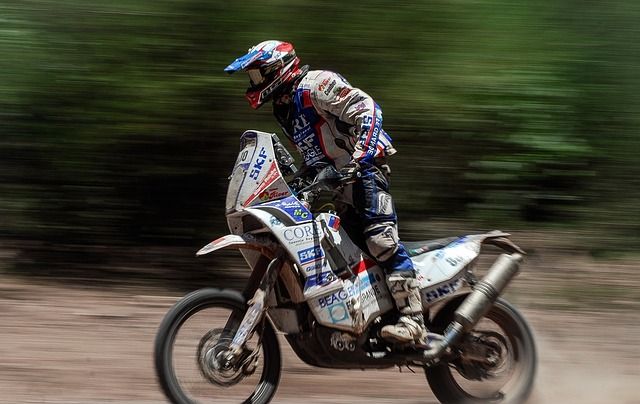
Adventure Motorcycle Magazine'sHusqvarna FE350project (Feb 2024) demonstrated how performance-oriented riders often prefer specialized aftermarket upgrades for enhanced capabilities. Conversely, Motorcyclist's long-termNinja 1000review (May 2019) emphasized sticking with OEM sprockets for guaranteed compatibility during routine maintenance.
The Middle Ground: Suzuki Owner's Hybrid Approach
ASuzuki GSX-S750owner (Team-BHP, Jul 2025) adopted a pragmatic approach: using OEM parts for critical engine components while selecting reputable aftermarket alternatives for wear items like brake pads and chains. This strategy balanced cost-efficiency with mechanical integrity throughout their major maintenance update.
Industry Insights
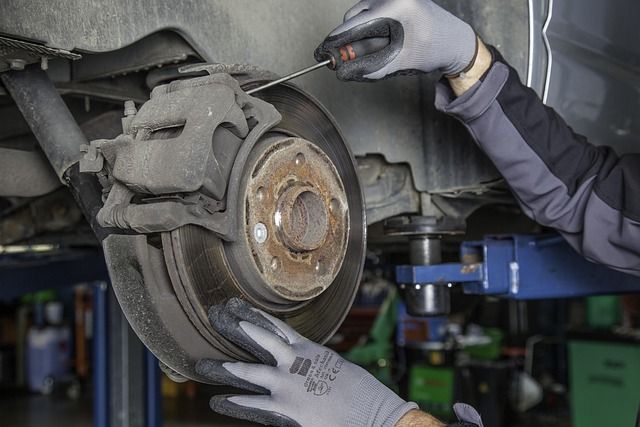
- OEM Advantages: Guaranteed compatibility, warranty protection, and dealer support
- Aftermarket Benefits: Cost savings (especially for older models), performance customization, and wider availability
- Hybrid Solution: Many long-term owners combine OEM for vital systems with aftermarket for replaceable components
These real-world cases suggest part selection should consider the motorcycle's age, intended use, and component criticality rather than adhering to rigid OEM or aftermarket dogma.
📰 参考来源
- 4th service of my Triumph Tiger 900 GT: Tasks done & total costs- Team-BHP (08 Dec 2025)
- Here's What It Costs To Keep A 10-Year-Old Ninja 650 Running- Top Speed (04 Aug 2025)
- Husqvarna FE350 Project and Upgrades [Part-2]- Adventure Motorcycle Magazine (05 Feb 2024)
- Long-Term Kawasaki Ninja 1000: Sprocket Swap- Motorcyclist (23 May 2019)
- My Suzuki GSX-S750: Long-term review and major maintenance update- Team-BHP (15 Jul 2025)
❓ FAQ
What are the key differences between OEM and aftermarket motorcycle parts in terms of long-term ownership costs?
Case studies show OEM parts typically offer guaranteed compatibility but may cost more, while quality aftermarket parts (like chains and sprockets) can reduce long-term expenses without compromising reliability, as demonstrated in the Ninja 650 example.
When should riders consider aftermarket parts instead of OEM components?
Aftermarket parts are ideal for performance upgrades (as with the Husqvarna FE350 project) or non-critical wear items like brake pads. However, OEM parts remain recommended for critical engine components to ensure perfect compatibility.
Can a hybrid approach combining OEM and aftermarket parts be effective for motorcycle maintenance?
Yes, the Suzuki GSX-S750 owner's case demonstrates a successful hybrid strategy: using OEM parts for critical engine components while selecting reputable aftermarket alternatives for wear items, balancing cost and reliability.


