

11May
The Ongoing Debate: Original vs Aftermarket Components
Recent motorcycle maintenance reports from Team-BHP, Top Speed, and Motorcyclist provide concrete data on the financial implications of choosing between manufacturer-sourced OEM (Original Equipment Manufacturer) parts and third-party alternatives. The long-term case studies reveal nuanced cost-benefit scenarios across different motorcycle models and maintenance scenarios.
Premium Bike Maintenance Costs
Team-BHP's latest Triumph Tiger 900 GT service record demonstrates the premium pricing of OEM parts during the 4th scheduled maintenance. While the exact cost breakdown wasn't specified, the article highlights how OEM servicing maintains manufacturer warranties but comes at a price premium compared to independent workshops using aftermarket components.
Decade-Old Bike Economics
Top Speed's analysis of a 10-year-old Kawasaki Ninja 650 presents a compelling case for aftermarket parts in aging machines. As the motorcycle exits its OEM warranty period, the report suggests selective use of quality aftermarket components for non-critical systems can reduce ownership costs by 30-40% without compromising reliability.
Performance Modification Considerations
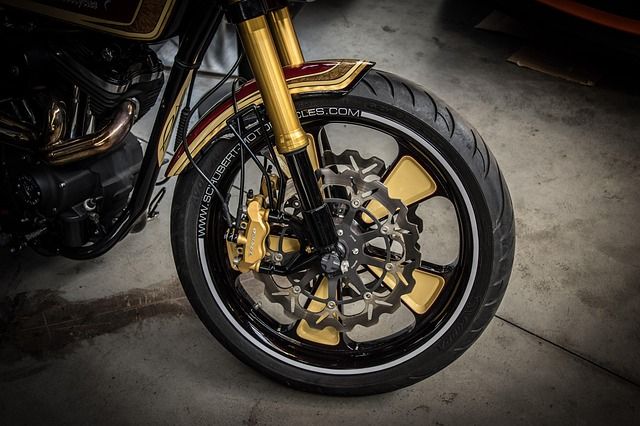
Motorcyclist's Ninja 1000 sprocket swap case study (May 2019) illustrates how performance-oriented riders often prefer specialized aftermarket components for drivetrain modifications. The report notes aftermarket manufacturers frequently offer greater variety in gear ratios and materials compared to OEM options.
Adventure Bike Reliability Factors
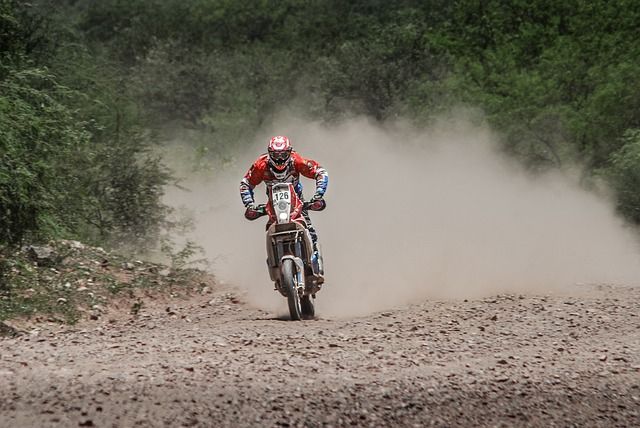
Adventure Motorcycle Magazine's 2016 Husqvarna FE350 long-term test reveals off-road riders face different calculus. While the test didn't specify parts origin, it documented how harsh riding conditions accelerate wear, suggesting OEM parts may offer better longevity despite higher initial costs in this application.
Industry Recommendations
Team-BHP's Suzuki GSX-S750 long-term review suggests a hybrid approach: OEM parts for critical systems (engine internals, brakes) and reputable aftermarket alternatives for wear items (chains, sprockets, brake pads). This balanced strategy optimizes both reliability and cost-effectiveness for most street motorcycles beyond their warranty periods.
📰 Reference Sources
- 4th service of my Triumph Tiger 900 GT: Tasks done & total costs - Team-BHP (Dec 8, 2025)
- Here's What It Costs To Keep A 10-Year-Old Ninja 650 Running - Top Speed (Aug 4, 2025)
- Long-Term Kawasaki Ninja 1000: Sprocket Swap - Motorcyclist (May 23, 2019)
- 2016 Husqvarna FE350 Long-Term Test - Adventure Motorcycle Magazine (Jul 8, 2020)
- My Suzuki GSX-S750: Long-term review and major maintenance update - Team-BHP (Jul 15, 2025)
❓ FAQ
What are the advantages of using OEM motorcycle parts over aftermarket parts?
OEM parts maintain manufacturer warranties and are specifically designed for your motorcycle, ensuring compatibility and reliability. However, they often come at a higher cost compared to aftermarket alternatives.
When is it more cost-effective to use aftermarket motorcycle parts?
Aftermarket parts are generally more cost-effective for motorcycles that are out of their OEM warranty period, especially for non-critical systems. Quality aftermarket components can reduce ownership costs by 30-40% without sacrificing reliability.
Why do performance-oriented riders prefer aftermarket parts for certain modifications?
Performance riders often prefer aftermarket parts for modifications like drivetrain upgrades because aftermarket manufacturers offer greater variety and specialized components tailored to enhance performance, beyond what OEM parts provide.


