
09May
The Growing Aftermarket Parts Industry
The global two-wheeler aftermarket components market is projected to experience significant growth through 2035, according to industry analysis. This expansion is primarily driven by two key factors: the increasing maintenance needs of aging internal combustion engine (ICE) motorcycle fleets and the growing demand for electric vehicle components. The aftermarket sector provides motorcycle owners with alternative parts options that often come at lower prices than original equipment manufacturer (OEM) components.
Cost Comparisons in Real-World Maintenance
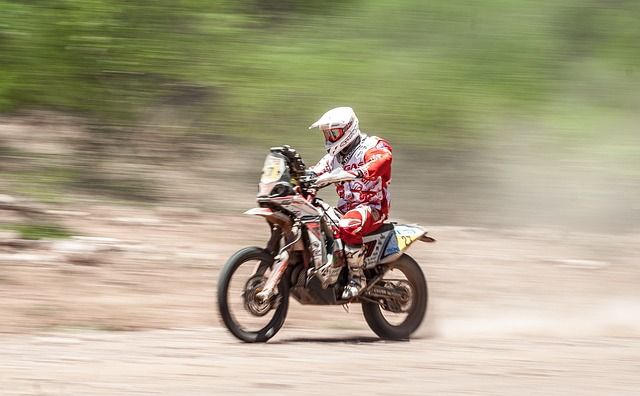
Recent service reports highlight the financial implications of parts selection. A detailed maintenance record for a Triumph Tiger 900 GT revealed total costs for its fourth service, demonstrating how OEM parts affect overall maintenance expenses. Similarly, an analysis of maintaining a 10-year-old Kawasaki Ninja 650 compared the long-term costs of keeping an aging motorcycle operational, where aftermarket parts often become the more economical choice for older models.
Long-Term Ownership Case Studies
- The Kawasaki Ninja 1000 long-term test documented a sprocket swap procedure, examining both OEM and aftermarket options for this wear item
- Adventure Motorcycle Magazine's 4-year evaluation of a 2016 Husqvarna FE350 provided insights into parts durability and replacement frequency
Choosing Between OEM and Aftermarket
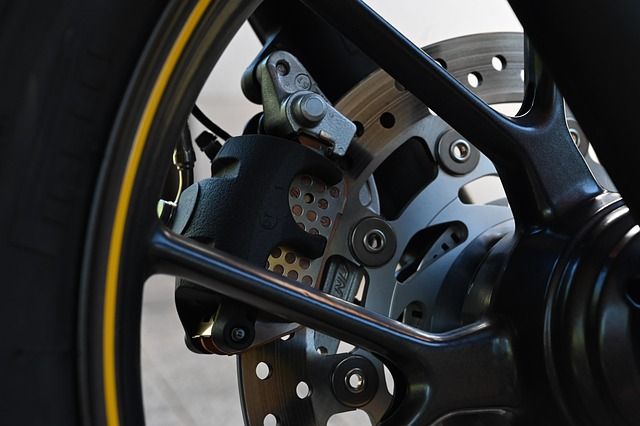
While OEM parts ensure exact compatibility and often come with manufacturer warranties, aftermarket components typically offer more competitive pricing and sometimes improved performance characteristics. The decision ultimately depends on factors such as motorcycle age, intended use, and owner preferences regarding quality versus cost savings. Industry trends indicate that as motorcycles age, most owners gradually transition toward aftermarket solutions for maintenance needs.
📰 参考来源
- Two Wheeler Aftermarket Components Market To 2035: Growth Fueled by Aging ICE Fleet Maintenance and Electric Vehicle Component Demand - IndexBox (Wed, 15 Apr 2026)
- 4th service of my Triumph Tiger 900 GT: Tasks done & total costs - Team-BHP (Mon, 08 Dec 2025)
- Here's What It Costs To Keep A 10-Year-Old Ninja 650 Running - Top Speed (Mon, 04 Aug 2025)
- 2016 Husqvarna FE350 Long-Term Test - Adventure Motorcycle Magazine (Wed, 08 Jul 2020)
- Long-Term Kawasaki Ninja 1000: Sprocket Swap - Motorcyclist (Thu, 23 May 2019)
❓ FAQ
Why is the aftermarket parts industry for motorcycles growing?
The aftermarket parts industry for motorcycles is growing due to the increasing maintenance needs of aging ICE motorcycles and the rising demand for electric vehicle components, offering more affordable alternatives to OEM parts.
What are the cost differences between OEM and aftermarket motorcycle parts?
Aftermarket parts often come at lower prices than OEM components, making them a more economical choice, especially for older models, as evidenced by maintenance records and long-term ownership case studies.
What are the advantages of choosing OEM parts over aftermarket parts?
OEM parts ensure exact compatibility and often come with a guarantee of quality and fit, making them a reliable choice for maintaining motorcycle performance and durability.


