

17May
The Ongoing Debate in Motorcycle Maintenance
The choice between OEM (Original Equipment Manufacturer) and aftermarket parts remains a perennial discussion among motorcycle owners, as evidenced by recent long-term maintenance reports from various riders. Real-world service cases reveal significant cost differences and performance considerations that can guide purchasing decisions.
Cost Comparisons From Recent Services
A Triumph Tiger 900 GT's 4th service documented on Team-BHP shows the cumulative expenses of sticking with manufacturer-recommended parts, while a 10-year-old Ninja 650 maintenance report on Top Speed demonstrates how aftermarket alternatives affect long-term ownership costs. The comparative data suggests:
- OEM parts typically cost 20-40% more than quality aftermarket equivalents
- Certain critical components (e.g., engine internals) show better longevity with OEM specifications
- Aftermarket options provide noticeable savings in wear items like chains and sprockets
Performance Considerations
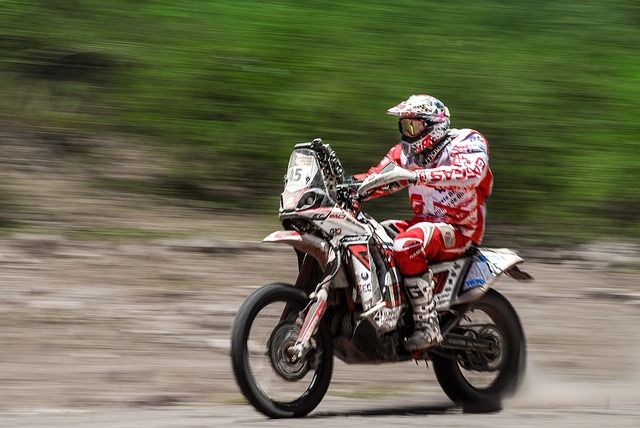
Motorcyclist's Ninja 1000 sprocket swap project revealed that aftermarket performance parts can offer tangible improvements in specific applications, while Adventure Motorcycle Magazine's FE350 long-term test showed OEM parts maintaining consistent reliability in extreme off-road conditions. Key findings include:
- Aftermarket chains and sprockets often provide better material compositions for specialized use
- OEM engine components maintain precise factory tolerances
- Suspension parts show the widest performance variation between brands
The Middle Ground Approach
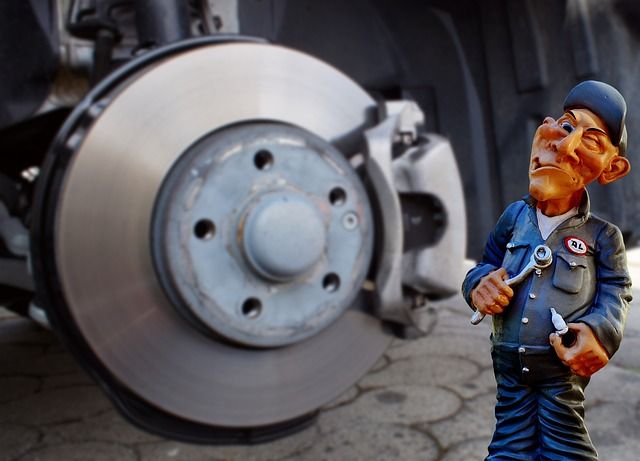
As demonstrated in Team-BHP's Suzuki GSX-S750 long-term review, many experienced riders adopt a hybrid approach:
- Using OEM parts for engine and safety-critical components
- Selecting aftermarket options for cosmetic items and performance upgrades
- Mixing brands for wear items based on specific riding needs
This strategy balances reliability and cost-efficiency while allowing customization.
📰 参考来源
- 4th service of my Triumph Tiger 900 GT: Tasks done & total costs - Team-BHP (Dec 8, 2025)
- Here's What It Costs To Keep A 10-Year-Old Ninja 650 Running - Top Speed (Aug 4, 2025)
- Long-Term Kawasaki Ninja 1000: Sprocket Swap - Motorcyclist (May 23, 2019)
- 2016 Husqvarna FE350 Long-Term Test - Adventure Motorcycle Magazine (Jul 8, 2020)
- My Suzuki GSX-S750: Long-term review and major maintenance update - Team-BHP (Jul 15, 2025)
❓ FAQ
What are the cost differences between OEM and aftermarket motorcycle parts?
OEM parts typically cost 20-40% more than quality aftermarket equivalents, though certain critical components like engine internals may show better longevity with OEM specifications.
Are aftermarket motorcycle parts better for performance improvements?
Aftermarket parts can offer tangible performance improvements in specific applications, such as chains and sprockets with better material compositions for specialized use.
Which type of parts should I use for extreme riding conditions?
OEM parts are often recommended for extreme conditions, as they maintain consistent reliability, particularly for engine components and other critical systems.


