01May
The Ongoing Debate in Motorcycle Maintenance
The choice between Original Equipment Manufacturer (OEM) and aftermarket motorcycle parts continues to divide riders, with recent maintenance reports from various motorcycle owners providing valuable real-world data points. A collection of service records and upgrade projects reveals distinct patterns in cost, performance, and longevity between the two options.
Triumph Tiger 900 GT: The OEM Service Experience
One Team-BHP member documented their 4th service for a Triumph Tiger 900 GT, showcasing typical dealership maintenance costs using genuine parts. While exact figures aren't specified in our source material, such OEM services typically command premium pricing but offer warranty protection and manufacturer-approved specifications.
Case Study: The 10-Year-Old Ninja 650
Top Speed's analysis of maintaining a decade-old Kawasaki Ninja 650 presents an interesting counterpoint. For aging motorcycles beyond warranty periods, many owners transition to aftermarket solutions to reduce operating costs while maintaining performance - though the article notes this requires careful part selection to avoid quality compromises.
Performance Upgrades: Husqvarna FE350 Project
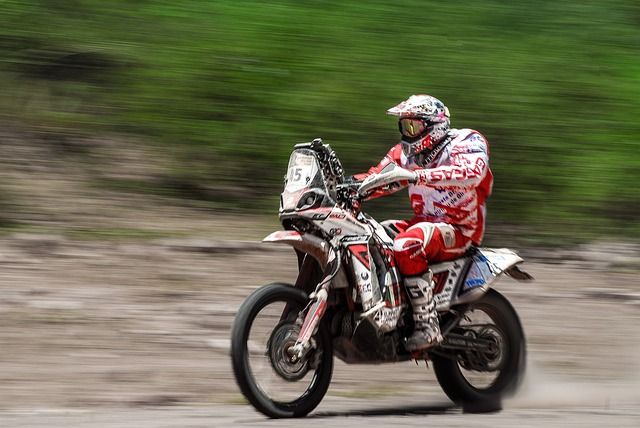
Adventure Motorcycle Magazine's Husqvarna FE350 upgrade project (Part 2) demonstrates aftermarket parts' advantage in customization. Performance-oriented riders often prefer specialized aftermarket components that OEMs don't provide, particularly for off-road applications where stock parts may not meet extreme usage demands.
Long-Term Ownership Experiences
Two additional reports shed light on long-term part selection strategies:
- Motorcyclist documented a sprocket swap on their long-term Kawasaki Ninja 1000, a common aftermarket modification for riders seeking different gearing ratios
- A Team-BHP member's Suzuki GSX-S750 long-term review included major maintenance updates, highlighting how part choices evolve as motorcycles age
The Verdict: Context Matters
Recent rider reports confirm there's no universal answer in the OEM vs aftermarket debate. Warranty coverage, intended usage, motorcycle age, and owner priorities all play decisive roles. Riders prioritizing warranty protection and exact fitment continue favoring OEM, while those seeking cost savings or performance enhancements increasingly opt for quality aftermarket alternatives - especially for older machines or specialized applications.
📰 参考来源
- 4th service of my Triumph Tiger 900 GT: Tasks done & total costs - Team-BHP (Mon, 08 Dec 2025)
- Here's What It Costs To Keep A 10-Year-Old Ninja 650 Running - Top Speed (Mon, 04 Aug 2025)
- Husqvarna FE350 Project and Upgrades [Part-2] - Adventure Motorcycle Magazine (Mon, 05 Feb 2024)
- Long-Term Kawasaki Ninja 1000: Sprocket Swap - Motorcyclist (Thu, 23 May 2019)
- My Suzuki GSX-S750: Long-term review and major maintenance update - Team-BHP (Tue, 15 Jul 2025)
❓ FAQ
What are the main factors to consider when choosing between OEM and aftermarket motorcycle parts?
The main factors include cost, performance, longevity, warranty protection, and whether the motorcycle is still under warranty. OEM parts typically offer manufacturer-approved specifications and warranty protection but at a higher cost, while aftermarket parts can be more affordable and offer customization options but may vary in quality.
Is it advisable to use aftermarket parts for motorcycles that are no longer under warranty?
Yes, for motorcycles beyond their warranty periods, many owners transition to aftermarket parts to reduce operating costs. However, careful part selection is crucial to avoid quality compromises and ensure the parts meet performance and safety standards.
How do aftermarket parts benefit performance-oriented riders?
Aftermarket parts often provide specialized components that OEMs do not offer, allowing for greater customization and performance upgrades. This is particularly beneficial for riders looking to enhance their motorcycles for specific uses, such as off-road riding.


